
Look Younger.
Feel Sharper.
Live Freer.



15k
Imagine loving the mirror again. At Dr. Madhu’s, we understand hair loss and use advanced, proven techniques to permanently restore your natural hair.

Proud to be India's FIRST Hair Transplant Surgeon certified by the prestigious American Board of Hair Restoration Surgery.

Bringing over 25 years of proven, trusted expertise in surgical hair restoration, delivering safe and natural-looking results.

An esteemed member of the International Society of Hair Restoration Surgery (ISHRS), committed to the highest global standards.

An ISO 9001 Certified hair restoration centre committed to maintaining the highest standards of quality, patient safety, clinical excellence, and personalized care.
About Us
At Dr. Madhu’s, we make hair restoration precise, effective, and completely transparent. Our focus is on advanced surgical techniques, proven technology, and real results you can actually see. We are the best Hair Transplant Clinic in Hyderabad
From proven early-stage medical therapies to the most advanced hair restoration surgeries, we offer comprehensive solutions designed to restore your hairline with lasting, natural-looking results. Whether you’re experiencing the first signs of hair thinning or seeking a permanent solution to advanced hair loss, our personalized treatment plans are tailored to your unique needs and goals.
Transformative Treatments
Expert care across specialized medical disciplines, delivering advanced treatments with precision, compassion, and exceptional outcomes.
Hair Transplantation
Plastic Surgery
Dermatology & Skin care
Advanced Dental Care
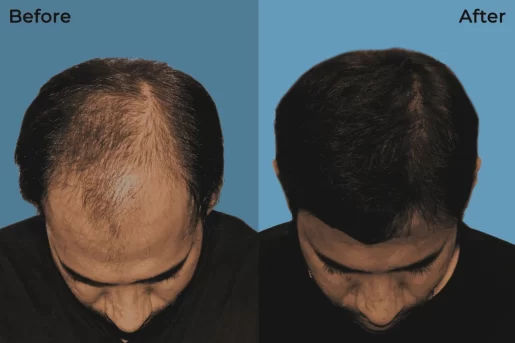
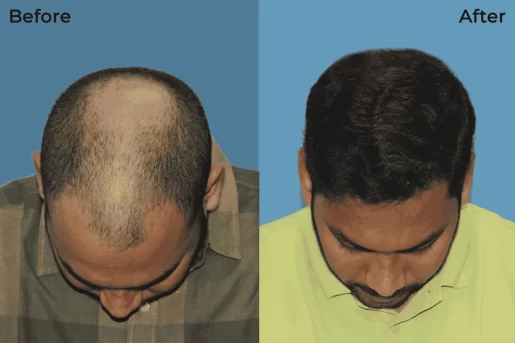
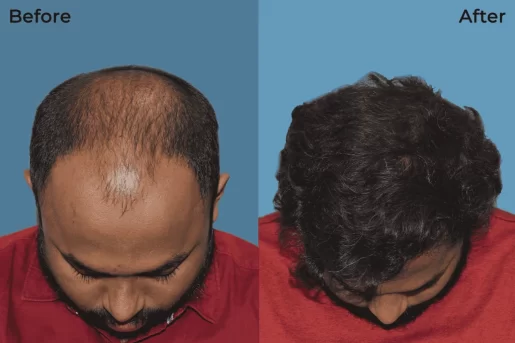
Led by India’s first ABHRS-certified surgeon, we bring over 25 years of pioneering expertise to your hair restoration.
Dr. Madhu introduced advanced hair transplantation to India. For over 25 years, we have been transforming lives with advanced hair restoration solutions. Led by India’s first ABHRS-certified surgeon, our clinic combines world-class expertise, cutting-edge technology, and personalized treatment plans to deliver natural-looking, long-lasting results with the highest standards of patient care. We are best hair transplant clinic in Hyderabad.
25+ Years of Expertise
Personalized Treatment Plans
Advanced Technology
Natural-Looking Results
Hair Grafting Treatment in Hyderabad
Looking for Hair Grafting Treatment in Hyderabad? Hair Hospi provides surgical hair restoration options for men and women who have suitable donor hair and permanent hair loss. Dr. Ram Sushruth, MD (DVL), is listed as part of the Hair Hospi surgical team. The appropriate treatment depends on the cause of hair loss, donor hair quality, scalp condition, hair density, hairline goals, and long-term pattern of hair loss.
Hair grafting is a hair restoration procedure in which healthy hair-bearing follicular units are removed from a donor area and placed into areas affected by thinning or baldness. The donor hair is usually taken from the back or sides of the scalp. Depending on the patient’s needs, grafts may be harvested using FUE hair transplant or FUT hair transplant techniques.
The goal is not simply to add as many hair grafts as possible. A well-planned procedure should use the available donor hair carefully, create an age-appropriate hairline, preserve the donor area, and distribute grafts according to the patient’s pattern of hair loss.
Medical information updated: August 2026. Individual treatment recommendations, graft numbers, recovery and expected results vary from patient to patient.
What Is Hair Grafting Treatment?
Hair grafting is a surgical hair restoration procedure that moves hair follicles from a donor area to a bald or thinning area. A hair graft is a small unit of tissue containing one or more hair follicles. Follicular units commonly contain one to four hairs.
During treatment, the surgeon first evaluates the donor area and recipient area. The surgeon then plans the hairline and determines where grafts should be placed. The grafts are harvested, prepared and implanted into carefully created recipient sites.
The transplanted follicles can continue producing hair after they establish themselves in the recipient area. However, a hair transplant does not stop every possible cause of future hair loss. Existing non-transplanted hair can continue to thin, which is why long-term planning is important.
Is Hair Grafting the Same as a Hair Transplant?
In everyday use, the terms are often used interchangeably.
Hair grafting describes the movement and placement of hair-bearing grafts. A hair transplant is the broader term for surgical restoration of hair by moving follicles from one area to another.
FUE and FUT are primarily methods of harvesting donor grafts. After harvesting, the grafts are placed into the recipient area using a transplantation technique selected by the surgical team. The International Society of Hair Restoration Surgery explains that FUE and FUT are donor harvesting methods, rather than completely different forms of transplantation
Why Choose Hair Grafting Treatment in Hyderabad?
Hyderabad patients have access to medical hair restoration services without necessarily travelling to another city. For people living in Jubilee Hills and surrounding areas, choosing a clinic that provides consultation, surgical planning and follow-up in the same location can make the treatment journey easier.
Hair Hospi’s published information describes its hair restoration services as including FUE hair transplant, FUT hair transplant, hybrid transplant procedures, long-hair transplantation, beard transplantation and other hair restoration services.
For patients considering Hair Grafting Treatment in Hyderabad, the more important question is not simply which technique sounds newest. The right question is whether the proposed procedure is medically appropriate for the patient’s hair loss pattern and whether the treatment plan protects the donor supply for the future.
Hair Grafting for Men and Women
Hair transplantation can be considered for appropriately selected men and women. However, candidacy is different for every patient.
Hair Grafting for Men
Male pattern hair loss is one of the common reasons patients consider hair transplantation. The pattern may involve a receding hairline, temple recession, crown thinning or progressive loss across the top of the scalp.
A consultation should assess the current pattern and the likelihood of future progression. A conservative hairline may sometimes be more appropriate than creating a very low or aggressive hairline because the patient’s native hair may continue to thin over time.
The donor area is also important. Hair restoration uses the patient’s existing follicles. A patient with insufficient donor density may not be able to achieve the amount of coverage they expect.
Hair Grafting for Women
Women can also be candidates for hair transplantation, but not every type of female hair loss is suitable for surgery.
Diffuse thinning across the entire scalp may make transplantation less predictable because the donor area can also be affected. Women with traction alopecia, certain localized forms of hair loss, stable areas of scarring, or patterns with a suitable donor area may be considered after medical assessment.
A specialist should first determine why the hair is thinning. Medical causes such as nutritional problems, hormonal disorders, scalp disease and certain forms of alopecia may require appropriate treatment before surgery.
Cleveland Clinic notes that only selected women are suitable candidates for hair restoration surgery, particularly when a stable donor area and an appropriate pattern of hair loss are present.
Who Is a Good Candidate for Hair Grafting?
Surgery may not be the first step when hair loss is:
- Sudden or rapidly progressing
- Associated with scalp inflammation
- Caused by an untreated medical condition
- Associated with active scarring alopecia
- Associated with insufficient donor density
- Diffuse across both donor and recipient areas
- Still changing significantly
A proper scalp examination can help determine whether surgical restoration is appropriate or whether medical treatment should come first.
Who May Need Further Evaluation Before Hair Grafting?
Eyebrows contribute significantly to facial expression and appearance. Some people experience reduced eyebrow density due to genetics, over-plucking, trauma, scarring, or other factors.
An eyebrow transplant uses donor hair follicles to restore eyebrow density in selected areas.
Because eyebrow hairs are typically finer and grow at specific angles, precise placement is particularly important.
A treatment plan should consider:
- Existing eyebrow shape
- Facial proportions
- Desired density
- Direction of hair growth
- Donor-hair characteristics
- Previous trauma or scarring
The objective should be a natural appearance rather than simply maximizing the number of hairs transplanted.
How Hair Grafting Treatment Works
A typical hair grafting procedure involves several stages.
1. Consultation and Scalp Assessment
The first step is a detailed assessment of the scalp and hair loss pattern.
The doctor may examine:
- Hairline position
- Temple recession
- Crown density
- Donor density
- Hair shaft characteristics
- Scalp condition
- Existing miniaturized hairs
- Previous transplant scars
- Pattern and progression of hair loss
The goal is to determine whether surgery can provide a meaningful improvement without exhausting the donor supply.
2. Hairline Design
Hairline design is one of the most important parts of hair restoration.
A natural hairline is not a perfectly straight line. It contains subtle irregularities and changes in density. Single-hair follicular units are often useful near the frontal edge, while grafts containing more hairs may be positioned farther behind the hairline to create progressive density.
The design should also consider age, facial proportions, existing hair density and the possibility of future hair loss.
3. Donor Graft Harvesting
The surgeon chooses an appropriate harvesting method.
With FUE, individual follicular units are extracted using a small punch. FUE does not create one continuous linear donor scar, although small circular scars can occur. The ISHRS specifically cautions against describing FUE as a completely “scar-free” procedure.
With FUT, a strip of hair-bearing scalp is removed from the donor area and dissected into individual follicular unit grafts. The donor wound is closed, leaving a linear scar.
4. Graft Preparation
The harvested tissue is carefully processed into usable follicular unit grafts.
Graft handling matters because the follicles must remain viable during preparation and implantation. The number of grafts required depends on the size of the area, hair characteristics, donor availability and desired coverage.
5. Recipient Site Creation
Small recipient sites are created in the areas requiring restoration.
Their direction, angle and distribution should follow the patient’s natural hair growth pattern. The frontal hairline usually requires particular attention because it is the most visible part of the result.
6. Graft Placement
The prepared grafts are placed into the recipient sites.
The distribution is planned according to the treatment objective. The front may require finer grafts for a natural transition, while larger follicular units may be used strategically behind the hairline.
7. Post-Treatment Instructions
After surgery, the clinic provides instructions for protecting the grafts and caring for the scalp.
Patients should follow the surgeon’s instructions about washing, exercise, medications, sleeping position and scalp protection. The first days and weeks are important because newly transplanted grafts need time to become secure.
FUE Hair Transplant Hyderabad
FUE hair transplant Hyderabad is a popular search term because FUE avoids the linear strip scar associated with FUT.
During FUE, individual follicular units are harvested from the donor area using a small punch. Tiny extraction sites heal individually. The method can be useful for patients who prefer shorter hairstyles or want to avoid a linear scar.
However, FUE is still surgery. Excessive extraction or poor planning can reduce donor density and may result in visible scarring or an unnatural donor appearance. The ISHRS states that FUE is not a “no-scar” procedure.
FUE may be appropriate for many patients, but the technique should be selected based on donor characteristics and surgical goals rather than marketing terminology.
FUT Hair Transplant Hyderabad
FUT hair transplant Hyderabad uses strip harvesting.
A strip of hair-bearing scalp is removed from the donor region. The strip is then divided under magnification into individual follicular unit grafts. The donor area is closed, leaving a linear scar.
One potential advantage of FUT is that it can provide a substantial number of grafts without distributing extraction sites across the entire donor area. However, the trade-off is the linear scar.
FUT may still have a role in carefully selected patients. The decision should be based on donor characteristics, previous procedures, hairstyle preferences, the amount of restoration required and the surgeon’s assessment.
Hair Grafting vs FUE vs FUT
Feature | Hair Grafting | FUE | FUT |
What it describes | Movement and placement of hair-bearing grafts | Individual follicular unit harvesting method | Strip harvesting method |
Donor harvesting | Can use FUE or FUT | Individual graft extraction | Strip of scalp removed |
Linear scar | Depends on harvesting method | No continuous linear scar | Linear donor scar |
Individual extraction | Depends on method | Yes | No; grafts are dissected from strip |
Suitable for | Selected patients requiring hair restoration | Many appropriately selected patients | Selected patients where strip harvesting is appropriate |
Short hairstyle | Depends on harvesting technique | Often preferred by patients wanting shorter styles | Linear scar may be more visible with very short hair |
Donor planning | Essential | Essential | Essential |
Final result | Depends on diagnosis, planning, graft survival and healing | Depends on surgical execution and patient factors | Depends on surgical execution and patient factors |
The key point is that FUE and FUT are harvesting techniques. Hair grafting is the overall process of moving follicular units from a donor area to a recipient area.
Hair Grafting Cost in Hyderabad
Patients should understand that hair transplantation does not produce an instant final result.
Following surgery, temporary redness, swelling, scabbing, discomfort, or shedding may occur. The transplanted follicles then go through a growth cycle before visible results develop.
The NHS states that full results may take approximately 10 to 18 months following FUT, although individual timelines vary.
Patients should follow their surgeon’s post-operative instructions carefully.
It is also important to understand that transplanted hair does not prevent unrelated or continuing loss of the patient’s existing non-transplanted hair. Long-term planning may therefore be important, especially for younger patients with progressive pattern hair loss.
What Should a Hair Grafting Quote Include?
Before proceeding, ask the clinic:
- How many grafts are being recommended?
- Why is that graft number appropriate?
- Which harvesting technique is recommended?
- Who will perform the surgical steps?
- How will the donor area be protected?
- What follow-up care is included?
- What happens if graft growth is lower than expected?
- Are medicines or post-operative products included?
- Are there additional charges for future sessions?
A transparent consultation is more useful than comparing two headline prices without understanding what each package includes.
Recovery After Hair Grafting
Hair transplantation is not an instant cosmetic result.
The early recovery period is mainly about protecting the scalp and allowing the grafts to establish.
First Few Days
Mild discomfort, swelling, tightness, redness, crusting or itching may occur. The exact experience varies.
Follow the clinic’s instructions rather than touching or scratching the grafts.
First Two Weeks
The transplanted area needs careful handling. Patients may receive specific instructions about washing, sleeping and exercise.
The NHS notes that transplanted grafts are particularly vulnerable during the first two weeks and that patients should take care around the grafted area.
First Few Months
The transplanted hairs may shed after the procedure. This can be part of the normal hair transplantation process.
New growth does not usually appear immediately. Cleveland Clinic notes that transplanted hairs may fall out initially and that visible regrowth takes months.
Around 3–6 Months
New growth may become increasingly visible.
The rate varies between individuals, so patients should not compare their progress too closely with another person’s timeline.
Around 9–12 Months and Beyond
The result becomes progressively more mature.
The NHS states that full results may take approximately 10 to 18 months, depending on the individual and procedure.
Does Hair Grafting Have Risks?
Hair transplantation is surgery, so it is not risk-free.
Potential complications can include:
- Bleeding
- Infection
- Swelling
- Pain or discomfort
- Temporary numbness or altered sensation
- Scarring
- Poor graft growth
- Unnatural hair direction
- Uneven density
- Donor-area thinning
- Unsatisfactory cosmetic results
Cleveland Clinic and the NHS both describe bleeding, infection, scarring and poor graft growth among possible complications.
The risk profile depends on the procedure, patient’s health, scalp condition, surgical technique and aftercare.
Seek medical advice promptly if you develop severe pain, persistent bleeding, significant redness, fever, pus or other unexpected symptoms after surgery.
How to Choose a Hair Grafting Clinic in Hyderabad
Choosing a hair grafting clinic in Hyderabad should involve more than checking before-and-after photographs.
Consider the following:
Check the Doctor’s Credentials
Ask about the doctor’s medical qualifications, hair restoration experience and role during surgery.
Hair Hospi currently lists Dr. Ram Sushruth, MD (DVL) among its surgical team members.
Ask Who Performs the Procedure
A patient should understand which medical professional performs consultation, donor harvesting, recipient site creation and graft placement.
Review Realistic Before-and-After Results
Photographs can be useful, but ask whether they represent patients with similar hair-loss patterns and donor characteristics.
Understand the Long-Term Plan
A transplant should not be planned only for today’s bald area.
Future hair loss can change the appearance of the transplanted area. A conservative, long-term hairline can sometimes be more appropriate than maximising the number of grafts in one session.
Avoid “Scar-Free” or Guaranteed Claims
No surgical technique should be marketed as completely risk-free or completely scar-free.
FUE can leave small extraction scars, while FUT produces a linear donor scar.
Why Hairline Design Matters
Hairline design can strongly influence whether a transplant looks natural.
A natural hairline generally has variation in direction, density and individual hair placement. The surgeon must consider the patient’s age, facial proportions, existing hairline, donor supply and expected future hair loss.
The goal should be a hairline that fits the patient rather than copying a template.
For patients considering hair grafting in Jubilee Hills or elsewhere in Hyderabad, ask to see how the proposed hairline will be designed before surgery.
How Many Hair Grafts Do You Need?
There is no universal graft number.
The number depends on:
- Area requiring coverage
- Degree of hair loss
- Hair calibre
- Donor density
- Desired density
- Hair colour and skin contrast
- Hair characteristics
- Existing native hair
- Future hair-loss risk
Two patients with the same Norwood stage may require different treatment plans.
A graft estimate should therefore be based on an individual examination rather than a generic online calculator.
Can Hair Grafting Give Permanent Results?
Transplanted follicles can provide long-term hair growth when suitable donor follicles are selected and the procedure is successful.
However, “permanent” should not be interpreted as a guarantee that every transplanted graft will grow forever or that all surrounding native hair will remain unchanged.
Existing non-transplanted hair can continue to thin. Long-term medical management may be recommended for some patients to help manage ongoing hair loss.
The NHS also notes that hair surrounding the transplant may continue to thin, making long-term transplant planning important.
Can Hair Grafting Restore the Crown?
Yes, crown restoration can be considered for appropriately selected patients.
However, the crown can require a significant number of grafts because it covers a broad area. The surgeon must balance crown coverage against the need to preserve donor hair for the frontal region and future hair loss.
For some patients, prioritising the frontal hairline may provide a greater visible improvement than using a large number of grafts on the crown.
Can Hair Grafting Restore a Receding Hairline?
Yes. Hairline and temple restoration are common goals of hair transplantation.
The surgeon must determine whether the recession is stable enough for surgical restoration and whether the donor area can support the planned hairline.
An age-appropriate design is important because creating an excessively low hairline may use donor grafts that could be needed later.
Is Hair Grafting Painful?
Hair transplantation is generally performed using local anaesthesia, which numbs the treatment area.
Patients may still experience pressure, pulling or brief sensations during parts of the procedure. Some discomfort can occur after surgery.
The level of discomfort differs between individuals and depends on the procedure and recovery process.
Is Hair Grafting Suitable for Everyone?
No.
A consultation is essential because hair loss has many possible causes. Surgery is not automatically the best option for every person experiencing hair thinning.
Some patients may benefit from medical hair-loss treatment, observation, scalp treatment or investigation of an underlying condition before considering surgery.
A responsible hair restoration clinic should explain when transplantation is appropriate and when it is not.
Hair Grafting in Jubilee Hills, Hyderabad
For patients searching for hair grafting in Jubilee Hills, location is useful, but medical quality should remain the priority.
Look for a clinic where you can discuss:
- Your diagnosis
- Donor hair quality
- Hairline design
- Graft requirements
- FUE versus FUT
- Expected density
- Recovery
- Risks
- Long-term hair-loss management
- Follow-up care
Hair Hospi’s website identifies its hair restoration team and lists FUE and FUT among its hair transplantation services.
Why Patients Should Start With a Scalp Analysis
A scalp analysis can help move the conversation from a generic package to an individual treatment plan.
During an assessment, the doctor can evaluate the distribution and severity of hair loss, donor density and the condition of the scalp.
This information can help answer the questions patients actually care about:
Am I a candidate?
How many grafts might I need?
Which harvesting method is appropriate?
Where should my new hairline sit?
What can I realistically expect after one procedure?
These questions are more useful than choosing a treatment based solely on the name of a technique.